by Carolyn Edlund
Have you ever thought about making videos to promote your art, but aren’t sure where to begin?
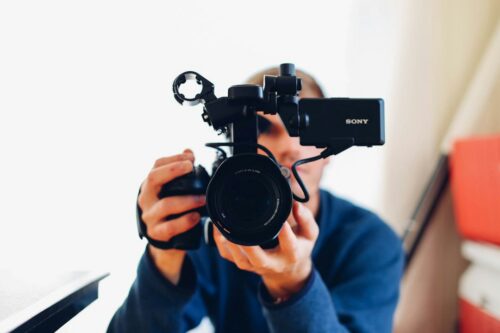
You may have filmed a few studio clips or posted a Reel on Instagram. But are those videos actually helping you market your artwork?
Video is a great marketing option, since it gives potential buyers an opportunity to see more than a finished piece of art. A video can show you at work in the studio, speaking about your inspiration, and presenting you personally. The details, textures and dimensions of your work that are integral to the actual piece come alive.
Fortunately, expensive equipment or professional production skills are not needed to make an effective video. Your smartphone, some decent lighting and a bit of planning ahead can produce perfectly usable videos.
What Types of Videos Should Artists Make?
This is a foundational question, because there are so many possibilities. Of course, the answers depend on your medium, the audience you want to reach and your goals. Here are a few ideas to help you connect through video:
Introduce yourself. Create a short get-to-know-you video. This tells viewers who you are, what you make and why you create. Speak naturally, as if you are having a conversation with someone visiting your studio.
Show your creative process. People are curious about how art is made, and it contributes greatly to making the sale. Film yourself painting, throwing pottery, carving wood, or preparing a photograph for printing. Use a time-lapse effect to condense hours of work into a fascinating short video. A voiceover can explain a technique or demonstrate a particular skill in greater detail.
Give a studio tour. Invite viewers into your workspace, and show them your tools, materials, and works in progress. Art enthusiasts and collectors want to see the environment where you create. Your studio doesn’t have to be large or perfectly organized; a messy space is usually where the work actually happens.
Tell the story behind an artwork. What inspired a particular painting, sculpture or photograph? Was there an interesting experience, location or concept behind it? Share that story while showing the finished work. Viewers will more clearly understand what makes the piece special to you, and hopefully special to them, too.
Present artwork for sale. Make a short video featuring a finished piece, showing different angles, details and texture. And place the work in a setting that establishes scale, such as a painting in a room or a piece of jewelry being worn. Mention the dimensions, materials and how someone can purchase it. That essential information can inspire the viewer to consider a purchase.
Share exhibitions and events. If you are recording video at an event, take viewers on a virtual walk through your art fair booth, gallery exhibition or installation. Record a short artist talk or document the preparation for a show. These videos allow people who cannot attend in person an “insider experience.”
Answer common questions. Here’s where you can flesh out the process of becoming one of your collectors. If you create commissions, for example, use the video to explain your process, how you work with clients, and what they can expect.
Where Should You Share Your Videos?
YouTube is a natural home for longer videos. These might be studio tours, demonstrations and artist interviews. Give each video a descriptive title that includes relevant terms people might search for. Include your website address and information about your work in the description.
Shorter videos work well on Instagram Reels, Facebook, TikTok and YouTube Shorts. These are good places to share quick demonstrations, new artwork, or behind-the-scenes moments. Choose platforms where your prospective customers are likely to spend time rather than trying to maintain a presence everywhere.
Your own website is another important destination. Embed an introduction on your About page. Consider placing a video with a studio demonstration on your portfolio page. Videos that include description and purchase information could even work well on individual product pages.
When you create a video, plan to have it serve several purposes. You might publish a five-minute studio demonstration on YouTube, edit a short version for social media and even include it in an email campaign. There’s no reason to start from scratch every time.
Simple Ways to Make Better Videos
Good lighting makes all the difference when shooting videos. Natural light often works well, but watch for glare, shadows and inaccurate colors. Your artwork should look as close as possible to the original. And, you will want to look your best; check out this video for helpful tips.
Use a tripod with your smartphone to keep it stable and avoid shaky footage. If you’re speaking, record in a quiet location and consider an inexpensive microphone. Poor sound can make a video difficult to watch.
Plan what you want to say before recording. You don’t necessarily need to write a script. However, a few clear notes will help you stay focused. Start with something interesting and keep your introduction concise.
Film vertically for most short-form social videos and horizontally for conventional YouTube presentations. Add captions when possible, since many people watch without sound. Keep editing simple and remove unnecessary pauses.
You don’t always have to appear on camera. Mix it up by using voiceover narration. You might show some footage of your hands working, a sequence of close-ups, or explain an artwork while the camera focuses on it.
Make Your Videos Work for Your Art Business
Before filming, ask yourself what you want the video to accomplish. Is this an introduction for potential collectors? Or an “explainer” video that shows your process? Do you want to promote a new collection, or possibly encourage commission inquiries?
A video demonstrating a painting technique may attract thousands of views from other artists. That’s useful exposure, but those viewers aren’t necessarily interested in buying your paintings. A shorter video explaining the story behind a finished work and showing how it looks in a home may attract fewer viewers but generate more serious inquiries.
Give interested viewers a next step to take. Direct them to your portfolio, online shop, exhibition information or commission page. Make it easy for someone who likes what they see to learn more. Over time, you’ll build a collection of videos that introduce your work to new audiences and give prospective customers more reasons to connect with you.
Speak Your Mind