by Carolyn Edlund
Are people stopping in your booth, admiring your work, and walking away?
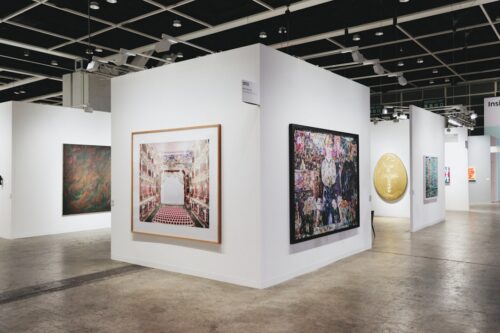
A gap between interest and purchase happens in person, just as it does online. The difference is that in a live setting, you as the artist are part of the experience. And whether you realize it or not, every interaction you have is either moving someone closer to a sale, or losing it altogether.
Buyers don’t make snap decisions. Even at an art fair or show, they move step by step through a logical process. First they notice your booth. Then they step in to look more closely. Then they consider your work. Only afterward do they decide whether to buy. At each stage, they are thinking to themselves whether the purchase is right, and asking silent questions. If those questions go unanswered, they hesitate. Hesitation is where sales disappear.
Let’s walk through what that looks like in person, and how you can guide that prospective buyer into becoming your latest collector.
Capture attention
If you are exhibiting your artwork in a booth, your display is doing the talking. It must give a professional presentation, looking like a gallery with a cohesive and distinctive look. Additionally, using a piece of art that works as a showstopper to draw in the crowd is a great way to guide attendees in for more.
Gain a deeper understanding by viewing this video interview with the management of Gallery System Art Displays. They explain not only how to hang a piece of work to draw initial attention, but also how to further place art in the booth that guides visitors through and tells your story.
This is the perfect way to introduce others to your work and get a conversation started. When someone pauses or steps in, that’s your opening. A simple, friendly greeting is enough, not a sales pitch. Acknowledge the guest and invite them in without overwhelming them.
Build interest
Once the visitor is inside your space, they will naturally begin to look more closely. And this is where many artists either say nothing, or say too much.
Pay attention to the situation; let your guest browse for a moment before you engage naturally. A brief comment about your work, your inspiration, or your process can open the door to connection.
Meanwhile, they are asking themselves, “Do I like this?” but also “What is this about?” and “Why does it matter?” If you give them a way to understand your work, they can move from casual interest to making an emotional connection. Without that connection, there is no reason to buy.
Remove friction/create confidence
This is where many art sales are lost. The prospective customer may love your work, but they still hesitate.
In their mind, questions are forming: Is this artist professional? Is the price justified? What happens if I buy this? How do I take it home? Those concerns can also be called objections to the sale.
Your presentation should answer those questions before they even ask. Clearly marked prices, professional signage, a well-organized booth, and confident communication all build trust in the mind of the customer.
Even small obstacles can come up that stop the sale from happening. If the buyer isn’t clear on how to purchase, if making a payment is awkward or difficult, the flow stops. If you are not crystal clear on logistics, such as framing, shipping, or installation, they may decide to “think about it” instead.
Your demeanor also matters. If you seem unsure, overly eager, or apologetic about your pricing, it’s going to create doubt. Buyers take their cues from you. Are you calm and confident? Do you feel your work is valuable, worth the purchase, and that it will be a wonderful addition to the buyer’s collection? If you know this is true and use that approach, you will instill the feeling in your client as well.
Invite the sale
This is what holds many artists back. They can have a great conversation, and know that the collector is clearly interested. And then… nothing.
Collectors are not mind readers. If someone linger in your exhibit space, asks questions, or shows real interest, it’s appropriate to guide them forward gently. That could be as simple as letting them know the piece is available. Or, asking if you can help them take the next step.
This guidance is done professionally, without pressure. Think of it as helping them acquire a work they will love for years and will add value to their lives. It’s your responsibility to make it possible for them to say yes.
Follow through
Not everyone will buy from you, even if you do everything right. Many people need more time to think it over, measure a wall, or compare options. You must make it possible to stay in touch before the opportuity is gone.
Have a plan in mind for this. It could be getting the prospect’s business card, or their email address on a mailing list. Invite them to follow your work on social media and make that connection as you speak, so you can message them directly later.
The relationship doesn’t end when they walk out of your booth. It simply puts you in a position to continue to actively follow up. Many sales are made after the initial encounter when they see your work. Don’t give up, or you will miss that half of the sales process.
Are you ready to make sales?
Is your booth getting attention with a professional and appealing display that draws the crowd in? Is everything clear and understandable to potential customers? Are you creating an experience when you meet prospects that leads them to say “Yes”? If not, take a look at your current situation, what’s lacking, and how you can change the flow of presentation and conversation to overcome these barriers and attract new collectors.
Speak Your Mind