by Carolyn Edlund
Have you been discouraged lately? Not just frustrated with a slow sales month or disappointed because of a rejection. Something deeper and more pervasive.
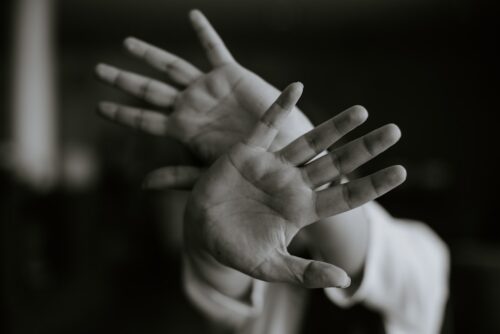
Over the past year, I’ve spoken with a number of artists who are struggling emotionally. What they are feeling reflects a kind of heaviness that lasts.
A photographer reported that he was scammed and ended up losing a lot of money. He felt violated by the experience as well as embarrassment at the situation. Consequently, he had little motivation to create.
Other artists regularly report that designs have been ripped off and reproduced without their permission. The rapid rise of AI-generated imagery shows a growing disregard for creative work done by humans, solely in the pursuit of profit. It often seems that little can be done, which can feel defeating and endless.
These conversations have stayed with me. Beneath the specific circumstances are the same underlying emotions. Vulnerability, uncertainty and exhaustion. Plus, there is a growing sense of precarity.
“Precarity” describes a state of ongoing insecurity and instability. This is built into the role of entrepreneurs because income is rarely consistent, and sales and opportunities come and go. Most artists accept those realities as part of the profession.
But what I’ve been hearing that feels different today is the number of pressures arriving all at once. AI has created new questions about originality, ownership, and creative value. The currently uncertain economy affects how collectors and buyers look at making purchases. For many artists, it feels as though the rules keep changing. And that takes an emotional toll.
Research into artists’ mental health has repeatedly found elevated levels of stress, anxiety, and emotional strain among creative professionals. On a regular basis, artists place work that is deeply personal before the judgment of others. When that work is rejected, ignored, criticized, copied, or misunderstood, the experience can be overwhelmingly negative.
People outside the arts don’t always understand this. They might view an exhibition rejection as a minor disappointment. They may assume an artist should simply move on after discovering their work has been appropriated. And they rarely appreciate the emotional impact of spending months on a project that receives little response.
But artists do understand these experiences and the related feelings. They know what it’s like to question whether anyone cares, and they’ve felt the letdown when effort put into creative work gets no response.
Perhaps you’ve found yourself going through periods when creating itself becomes difficult. Not because you have run out of ideas, but because discouragement has become heavy enough to interfere with the creative process. That reaction is not uncommon.
Historically we see that artists persevere despite hardship, rejection, and even war. There is great value in resilience. What remains constant is the role that artists play. People still seek beauty and meaning. They want connection and respond to ideas, stories, and great craftsmanship.
When everything feels unsettled, it can help to remember what remains within your control. This is what you can do, despite circumstances and the actions of others.
You can continue to create your work. You can engage with others and strengthen relationships with people who appreciate your art. And you can choose where to place your attention and your energy.
None of these actions will eliminate uncertainty, and they can’t erase feelings of disappointment or prevent setbacks. But they represent something important, because your life is not determined by economic cycles, algorithms, critics or sales trends.
The world has always been in a state of change, and always will be. You are not imagining the challenges or overreacting to them. And you are certainly not alone. Sometimes the most helpful thing we can do is acknowledge that the burden feels heavy and then continue carrying it together.
Thank you for this, Carolyn. We all know that artists, myself included, tend to suffer privately and put their best foot forward publicly. It can make us feel isolated, exacerbating this struggle. It really helps to know we’re not struggling alone.
Thank you for writing this, Carolyn, it helps.