A Site for Emerging Artists
Posts tagged corporate interiors
Top 10 Articles on Artsy Shark for 2011
Dec 21st
By Carolyn Edlund
This year’s countdown of the ten most read and shared articles on Artsy Shark.
10. Making Art and Making a Living - Do you have to support yourself through your art to be an “artist?” Or does the financial pressure hurt your creative growth and your sanity?
9. “You’ll Never Make a Living as an Artist” - Are you surrounding yourself with supporters, or naysayers? Who is holding you back? Your family, your friends? Or is it you?
8. Matching Artists with Corporate Buyers - Joyce Creighton’s fascinating story of how she is connecting artists whose work is appropriate for corporate settings with clients looking for their work.
7. How to Make Your Customers Fall in Love with You - Want more business and repeat customers? That’s right – spread the love.
6. Do You Want to be a Childrens Book Illustrator? - Cherish Flieder discusses the steps in childrens book illustration, and how to get started in the business.
5. Creative Marketing for Artists - Think outside the box when it comes to promoting your work. Here’s some examples of how other artists did it.
4. 6 Ways to Improve Your Greeting Card Sales - Is your line balanced? Is it big enough? How often should you update? The basics on what you must do to have a successful greeting card business.
3. What’s Wrong with Your Art Website? – Artsy Shark asked the experts for their pet peeves when visiting art websites. Are you guilty of any of these sins?
2. A Guide to Pricing Your Artwork – Professor, TED speaker and entrepreneur Karen Atkinson gives great advice for artists on this perplexing but essential topic.
1. Are Your Prices Unrealistic? – Are your prices too high? Too low? How your competition affects your perspective. Lots of comments and opinions about pricing.
Matching Artists with Corporate Buyers
Mar 14th
By Carolyn Edlund
Online galleries are a dime a dozen, but certain ones really stand out
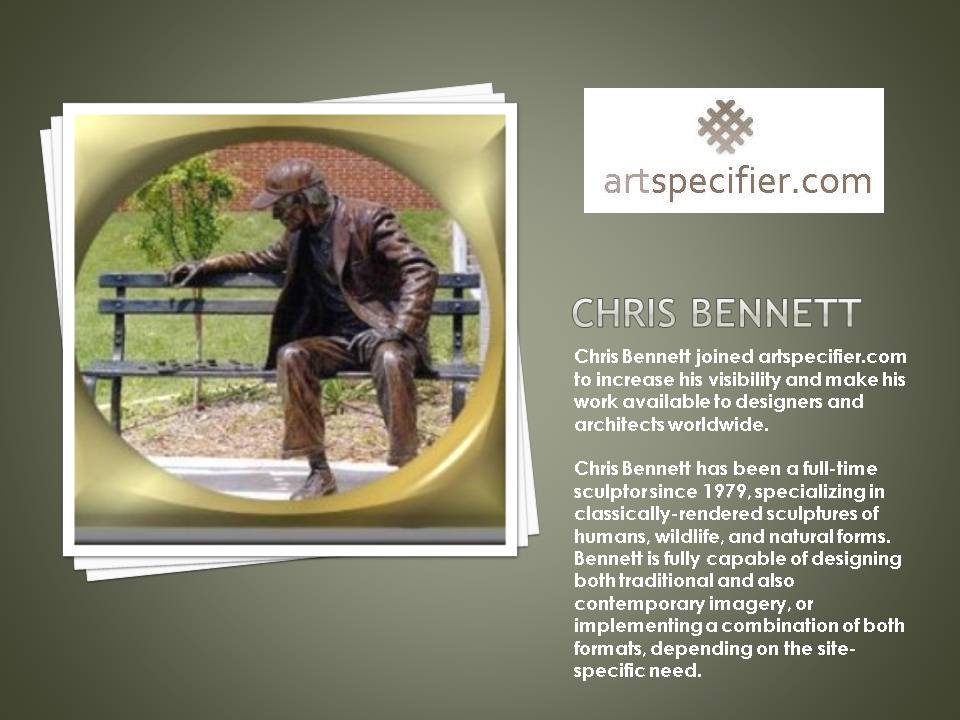
Art Specifier.com is one of those sites. I talked to the woman behind this concept, Joyce Creiger, and found that she has a fascinating background, including many years of gallery and art consulting experience, and an impressive contact list. This adds up to a great potential for artists who want to sell into the corporate world and catch the eye of architects and interior designers in need of art for their clients.
Joyce started out back in the 1960’s with an art history degree and a job selling real estate. While raising twins, she got involved with starting the Danforth Museum in Framingham, Massachusetts – which flourishes today, housing its own collection and often featuring emerging artists. As a member of the acquisitions committee of the museum, she got her start in the business that would frame her career.
Combining art with real estate sales, Joyce launched her own business in 1972, becoming an art consultant before the term was coined. She sold this concept to artists, and compiled slides for the purpose of selling art to businesses, corporations and hotels. After approaching architectural designers, she sold artwork to major firms, and partnered with a friend to grow the business. This spun off into a large office space and gallery.
Reinventing her business in 1985, Joyce branched out to a national audience. Working with 3M, she created a laser disc catalog of art, with
54,000 images per side – a precursor to the vast internet art directories available today. Using the technology available at the time, Joyce created a database of artists’ images from galleries all over the United States. This system was rented by galleries who used it as an extended network of art available for their clients.
When digital became the technology of choice, her business model was turned on its head. Joyce began to look at where business was going in the future, and chose to pursue clientele in Arab countries. She worked extensively with hotels, hospitals and businesses in Saudi Arabia who were eager to snap up artwork presented by an expert with a huge offering that worked in upscale interiors.
Las Vegas was next – Joyce’s company provided art for almost every casino hotel on the strip, including the Luxor and Mandalay Bay. This also was a lucrative business, as she used her ability to match artists with interior spaces to great effect.
Always moving forward, Joyce Creiger has also been a painter, jewelry designer, nonprofit fundraiser, children’s book author, and upscale gallery owner. She has been ahead of the times with business concepts, and now presents an online website for artists to connect with interior designers, architects, and buyers for corporate art.
ArtSpecifier.com handles the work of artists in many mediums, for presentation to this market. Artists who apply are juried to ensure that their work is appropriate for the base of buyers looking to purchase. Joyce researches each applicant’s background and education before accepting them. She promotes not only the ArtSpecifier, but also individual artists to her base of over 4,000 designers and architects who have been given complimentary memberships to the site. She reaches almost 40,000 people through social networking as well.
Artists who are accepted pay a $100.00 annual membership fee to Artspecifier. The site is searchable, offering categories such as color, style, and new work. With a password, member artists and clients are able to access the site and its features. Currently over 150 artists are represented.
Is this the right vehicle for you to sell to the corporate market? Check out Artspecifier and see whether it’s a good fit for your work, and your business plan.
How to Work with Art Consultants
Nov 24th
By Carolyn Edlund
What do Art Consultants do? Should you work with them? Would you like to be an Art Consultant? Artsy Shark went right to the source to find out the answers. Barbara Markoff of Artrageous! literally wrote the book on this topic, and she has some expert opinions that will help you find opportunities in this market if it is appropriate for you.
AS: How do art consultants get started in the business? What is a typical background?
BM: Corporate art consultants generally have some art background, whether it is owning an art gallery, art and framing company, or working for an art publishing business. A strong desire to be involved in the arts seems to be a common thread as well. Art consultants bring to the table a range of skills including a keen sense of how to match artwork to specific businesses and how to effectively communicate to clients how artwork will enhance their work environments. For most corporate art consultants, their business expands into the corporate market gradually. Art gallery owners get requests from walk-in clients seeking artwork for business settings. Some interior designers provide corporate art consultation as a service since they are already selling furniture, lighting, flooring, and accessories. The typical art consultant has studied art or art history in college and chosen a career in the arts. Some start out as picture framing designers while others may actually be artists who enjoy the challenge of selling artwork.
AS: What do art consultants want from artists – and how can artists plan their work, either in subject matter or materials, for the corporate setting?
BM: Art consultants make their living selling artwork, and we are always looking for new talent. Adding new artists is important because each art program we sell needs to be unique and fresh, not a repeat of what we did for another client. The relationship between the art consultant and the artist is one based on mutual respect with the goal of placing artwork in the corporate setting. Feedback from meetings with decision makers is helpful in directing artists to create appropriate artwork in terms of color, subject matter, and scale, while remaining sensitive to budgets. Artists who are interested in forming business relationships with art consultants need to be professional and have a good body of work available, an updated biography and artist statement, and a viable website. Visiting newly furnished medical facilities, banks, office buildings, or other corporate environments is an educational experience. It is a fantastic way to understand corporate art solutions. Unless an artist is familiar with what is selling to the corporate market, it is hard to know what type of artwork to produce. Art consultants are looking to form relationships with artists that are professional and who present themselves as business people.
I have devoted an entire chapter in my book, Becoming A Corporate Art Consultant, The Handbook For Corporate Art Consultation, to working with artists. I discuss other ways for art consultants and artists to find each other and how they effectively work together. The book can be purchased on Amazon or for a signed copy visit my website.
AS: What would your “perfect” artist partner be like?
BM: For me the perfect artist partner is an artist that does not mind taking art direction for my projects. Often the art decisions are based on color and size. Knowing that my artist partner will happily create work for me based on my recommendations makes my job much easier. Turnaround times are often quick and my ideal artist would be willing to create artwork quickly and allow me to show it without purchasing until the client knows it is exactly right for the project. Since art presentations are critical to the process of developing an art program, my ideal artist partner allows me to keep a portfolio of pieces that I can regularly show as appointments come up. Sometimes I get very little notice when asking to show artwork for a corporate project. Having the artwork on consignment really helps when these short deadlines occur.
AS: How do art consultants meet artists?
BM: There are many ways that art consultants can meet artists. One excellent way is to join art related groups on the social networking site LinkedIn. Artists and art consultants join these groups and many artists list their websites on their profile page. I have found several wonderful artists through LinkedIn. Some of the Linkedin groups I would recommend to partner artists and art consultants are, Creative Art Consultants, Contemporary Art Network Group, and Professional Fine Art Network. In addition there are local and national art network organizations. For example in San Diego we have San Diego Visual Arts Network and nationally there is an excellent site called Professional Fine Art Network.
Art consultants are also listed by state on Art Calendar, an art business publication.
Other common ways for art consultants to find artists are by visiting local and national art fairs and exhibitions, exchanging information with art gallery owners in other part of the country, and by posting a notice on their website that they are looking for artists.
AS: What percentage of the art you install in corporate and residential settings is framed? Sculptural? Other?
BM: Trends in artwork change and evolve like fashion and interior design styles. In the 1990’s a typical corporate art program consisted of framed photographs, canvasses, and posters. With the recent advent of digital printing the whole scope of art offerings has expanded, and it is very exciting. Today art programs are far more interesting, consisting of three-dimensional works and digital printing on substrates such as acrylic, bamboo, tile, and fabric. In the healthcare sector, decision makers are purchasing far more dimensional works such as clay wall sculptures, fiber art, metal and wood sculptures, and hanging mobiles. Canvas wrapped giclees are commonplace too and often an entire art program will consist of these types of pieces in various sizes requiring no framing. I have definitely seen a shift from all framed pieces to a blend of framed pieces and three dimensional wall pieces. Currently, I would say that I sell 75% framed pieces and 25% of pieces not needing framing. Of course it depends on the client I am servicing. Healthcare clients definitely want more dimensional work while law firms and commercial real estate businesses are still purchasing framed work. Overall there is more opportunity for artists to create dimensional work. The good news is that corporate decision makes are very open to seeing all kinds of artwork and they understand the significance artwork plays in the overall design of the facility.
How a Quilter Designed a Successful Career Path
Jul 8th
By Carolyn Edlund
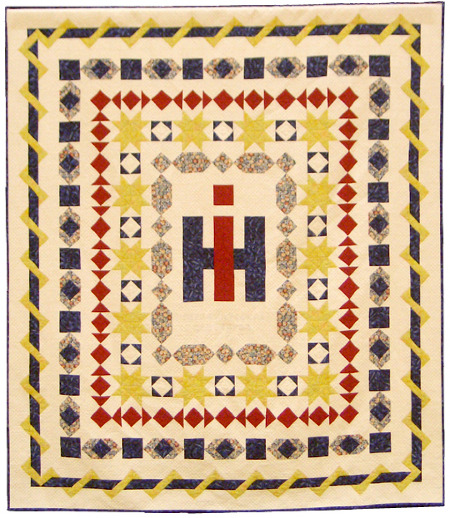
Quilter Jean Judd forged a career in fiber arts from the ground up. Self-taught and determined, she has been successful for over two decades and remains very busy with commissions and exhibitions. Jean had no preconceptions about being a textile artist, and hasn’t felt constrained by any boundaries while pursuing her career. She agreed to speak about how she got started and how she continues to grow her business . . . .
AS: You don’t have a background or education in the arts. How did you get started?
JJ: While my children were just beginning school in the late 1980s, I watched quite a few PBS shows about quilting. These were traditional quilt patterns and the rotary cutter had only been on the market for a short time. This cutter revolutionized quilt making as no longer did the maker have to draw out shapes and cut with scissors. Now the fabric pieces were much more accurate and quick to cut.
In 1990 I decided that I could easily make quilts similar to what was being shown on TV but with my own design and technique. I bought end pieces from a bargain bin, and began constructing quilts. The first two quilts were for my children and now my grandchildren have them on their beds.
The third quilt I pieced from the leftovers and it sold with no effort on my part to market it. This was my moment of realizing that my own designs were interesting to people and I could do what I loved and also satisfy others.
AS: A lot of the quilts you sell are commissioned. How do you market yourself and target clients?
JJ: Most of my early commissions were word of mouth promotion by satisfied clients and repeat business. Now juried exhibitions and my web presence brings in several commissions a year.
My first web presence in 2005 was setting up my own gallery on the Yessy Gallery site. This was inexpensive and very simple to do myself since it was basically typing in a word processor type of program. I was the only textile artist on this fine art site, and requested to have a Textile Category. It was included within a couple of days. I didn’t have sales of artworks presented, but I did receive commissions so it was worthwhile for me. Glass artists, painters, and photographers are very successful on this site.
Yessy was a stepping stone to setting up my own art web site in 2008 using the Start Logic platform. Using Yessy showed me how easy it was to maintain my own site. Start Logic is exactly the same but it is now only my artwork and not thousands of other artworks competing for viewing time.
I also have a gallery since 2009 on the Absolutearts.com site. This reaches a different audience than Yessy and I have had contact through the site here as well for commissions.
I maintain contact with my mailing list by doing a yearly postcard mailing. Clients, collectors and potential customers are so inundated with emails, that I find a better communication to be the standard postcard. It directs people to my web site to see what is happening. My mailing list includes interior designers, art consultants, gallery directors, collectors, etc. I send out about 300 to 400 postcards a month and within 12 months I have gotten through my mailing list. Then I design a new postcard and start sending again. This keeps my addresses current for the most part and doesn’t swamp my list with mail, but reminds them to check out what is going on with my work every year.
AS: Jean, your resume is filled with many exhibitions you have done. How many do you apply to? Which ones work best for you and why?
JJ: I apply to about 25 juried exhibitions a year. It is usually a mixture of fine art exhibitions, art quilt exhibitions, and quilt shows. I have a much higher success rate of being accepted into fine art shows the last few years so I am focusing more on them than the others. Personally, I find that I get more promotion for the buck by being in the fine art exhibits. They usually are 20 to 45 days or longer and the patrons of these exhibits, galleries, and museums are the people who commission and buy my artwork.
It is difficult to pigeonhole my work into a specific category. I do very little representative work, but I am able to apply under either Mixed Media or Fiber categories. I have rarely completed an artwork for a specific exhibit. I feel this limits its life for exhibit if it is too narrowly focused. I try to find exhibits that fit my work, not make my work fit their exhibit. My work retains the “quilt” aspect as it is not framed or mounted, but is easily displayed using gallery and museum hanging systems and a simple slat with eye screws or eye hooks. I hear continuous comments from viewers at shows that they really want to touch my artwork. That is the best compliment you can get in the textile artwork field in my book.
AS: Do you have any advice for emerging artists on finding a balance in your career, and aligning your work with your values?
JJ: As artists, we all want to spend every waking moment creating art, but in reality this is not possible. I have found that I have to spend about four or five hours a day on the business side of my art. This includes answering emails, developing ads for magazines, submitting for exhibitions, writing articles for magazines, updating my web site and other web presences, commenting on other artists’ blogs, preparing commission proposals, preparing monthly postcard mailings, preparing artwork for shipment to exhibits, updating my resume and portfolio, etc.
I call it a successful day if I have a five to six hour block of time in the studio working on art (whether that is a commission piece or a piece I plan on submitting for exhibition). Marketing takes a lot of time out of my day and it also takes time for it to show results; it is not an instantaneous process.
Keeping up on what is happening in all areas of the art world is a must. I subscribe to several magazines, most all having to do with the business of art or art itself for the most part, and some quilt related magazines so I can keep up with new innovations. This is also how I find exhibition opportunities, calls for public art commissions, artists to collaborate with, etc. I also have read 20 or 30 books on the business of art which helped in my pricing strategies, marketing, web sites, etc.
———————————————————————————————————-
Magazines I subscribe to (or are included in membership of professional organization):
Fine Art becomes Rug Design/Interview with Danielle David Grinnen
Mar 2nd
By Carolyn Edlund
AS: You started out as a painter. How did you get involved with rug design?
DG: A common thread in my life has been an innate love for color, texture and balance. I have always enjoyed vivid color combinations, creative use of texture and an intrinsic sense of balance in all of nature.
In college, as I took painting, design and art history classes I began to consciously realize that I saw the world with an artist’s eye. I began to find the use of painting with texture an intuitive and vibrant, unexpected colors together essential to my work as an artist.
This love for balance, color and texture translated into my design work for Randall J. Kipp Architecture in Irvington, Virginia. All throughout working in interior design, I continued pursuing my own creativity. Having sourced many area rugs for clients, I was intrigued by the way that the color and texture of rugs lent itself to painting. So in 2004, I began researching having area rugs made.
AS: Could you tell us about the rug weaving industry in South East Asia, and why you work with the GoodWeave organization?
DG: I wanted my rugs to be beautifully handmade of quality materials. As I researched, I found there was a lot of corruption in the rug industry with exploitative child labor. Essential to my work was that people were treated fairly and the making of each rug was done with integrity from start to finish. I found out about the RugMark USA foundation that certifies rugs with the GoodWeave label and its quest to end child labor in the rug industry of South East Asia. GoodWeave offers a holistic approach to the problem of child labor.
In the summer of 2005, I began Deliante Designs LLC and proudly became a licensee of RugMark so each of my rugs carries the Good Weave certification label. Thus began my work with a wonderful carpet mill in Kathmandu, Nepal and started the making of my paintings into hand knotted carpets in the Tibetan weave.
AS: How does the process of ordering custom rugs work?
DG: Modern design meets ancient craft. The collaborative process of creating a custom rug begins with a simple conversation about the space that the rug will reside-color, size, style, and concept. I may go to your space for inspiration or just receive images from you if the place is far away. Then I will go back to my studio and create design ideas by painting and drawing; this usually takes two to three weeks.
The designs are presented and together we can tweak design ideas. We choose colors, materials, pile height, size and knot count. Deliante Designs rugs are created of beautiful materials such as Tibetan wool, Chinese Silk, hemp, nettle, Pashmina wool and New Zealand Wool. A strike off, usually a 2’ x 2’ foot section of the rug, can be made to be sure that the color and design is exactly right.
After the final design is confirmed, a contract is signed. The design is sent to my carpet mill in Nepal where the materials have been hand carded, hand spun and are ready to be hand dyed to the colors we have chosen. The rug is hand knotted on the loom by expert adult artisans. I keep you apprised during this entire process all the way to its arrival to your space.
AS: How have you marketed your work?
DG: Though the business side of the art world is notoriously elusive for artists, the intuitive, problem-solving aspects of the creative mind make
having an artist-run business a real possibility. Every marketing attempt has been a constant learning process to make the entire business work.
I have participated in trade shows on the East and West coasts. My rugs appear in major home magazines such as “Dwell” and “Architectural Digest” and in more regional magazines like “Virginia Living”. Recently, I have found making phone calls and sending emails to architectural and design firms has given me inroads, getting opportunities to present my rugs to groups of architects and designers and in smaller one-on-one settings. When people actually see, walk on and touch the rugs, they sell themselves.
AS: What resources have you used that helped take your business to the next level?
DG: One of the most helpful and recent resources that I have found is the Right Brain Business Plan (RBBP) by Jennifer Lee of Artizen Coaching. Click here to visit Artizen Coaching. In spring 2009, I took the eight-week RBBP
teleclass put on by Jennifer Lee and Ariane of SmARTtist. Previously, I created a very left-brained business plan by talking to friends, accountants, bankers and working with the Small Business Association in my area. This initial plan was helpful at the time to acquire funds to have sample rugs made and other start up costs, but I was in dire need of a refreshed look at Deliante Designs. RBBP was exactly what I needed to allow me to work from my creative, intuitive strengths to create a visual business plan that really spoke to where my business is headed now. Click here to view more details
A few other blogs that I have found particularly helpful:
The Art of Nonconformity by Chris Guillebeau inspires me to live in a way that allows for creativity, business and caring for other people.
White Hot Truth by Danielle LaPorte pushes me to unashamedly promote myself and my business.
Rug Materials and Vocabulary:
- Tibetan wool has extremely high lanolin content because the wool comes from sheep that reside in the high altitude of the Himalayan Mountains making it incredibly lustrous, naturally stain resistant and highly durable because of its high lanolin content.
- Hemp and Nettle are derived from plants and very durable.
- Pile Height- length of the material from the knot to the where it is cut. 4mm, 6mm, 8mm and 10 mm are common pile heights
- Materials- Tibetan wool, Chinese silk, Hemp, Nettle, Pashmina wool, New Zealand wool, banana silk, etc.
- Knot count- number of knots per square inch. 60, 80, 100, 150+ per square inch.
- Vegetable Dyes- Eco-Friendly dyes have been used for thousands of years to create beautiful colors. These dyes create variation in the color allowing each rug to be unique. Expect a 5% variation in the color.
- Swiss Chemical Dyes- Metal free dyes that create very precise color.
- Color Choices – POM boxes with hundreds of colors to choose from as well as the opportunity to match any fabric or paint swatch.
Print
Digg
StumbleUpon
del.icio.us
Facebook
Twitter
Google Bookmarks
Reddit
email
FriendFeed
LinkedIn
Tumblr


Featured Artist Leah Jay